Happy Bee Embroidery Design Review
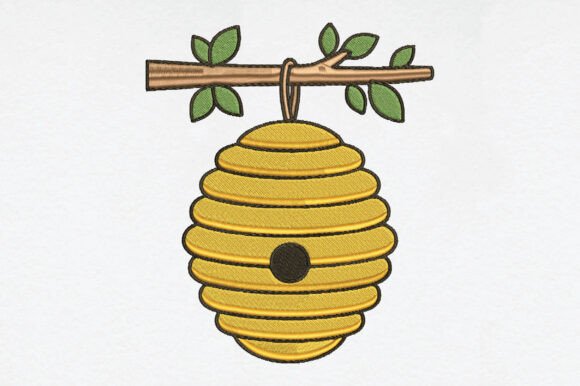
The Happy Bee Embroidery Design is a charming addition to any small business merch or branded patch collection. With its bright colors, playful wings, and cartoon-style aesthetic, this machine embroidery design offers a friendly and eye-catching option for custom apparel, tote bags, and more. As an experienced embroidery designer, I’ve evaluated how this design performs in real-world business applications and what considerations should be made before production.
First Impressions: A Playful and Professional Look
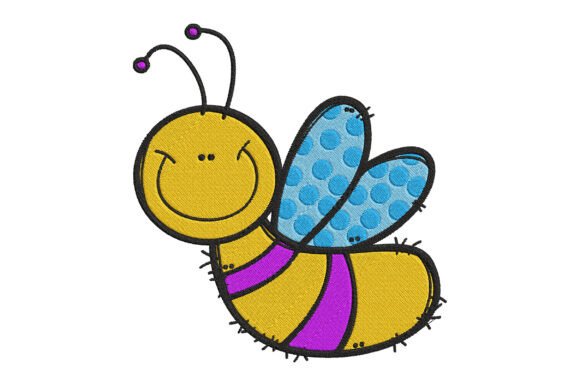
From the first glance, the Happy Bee Embroidery Design feels both professional and whimsical. The smiling bee, with its exaggerated features and vibrant color palette, exudes a sense of approachability that aligns well with small businesses looking to build a warm brand identity. This design works particularly well for handmade products, boutique merchandise, and customer gifts where a touch of personality is key.
Its cartoon style makes it versatile enough for use on caps, aprons, and even work shirts without feeling out of place. However, the design’s boldness may not suit all branding styles—especially those aiming for a more minimalist or elegant look.
Real-World Use Cases for Small Business Merch
This embroidery file shines when used as an embroidered patch for staff uniforms, apron embroidery, or cap embroidery. Its large, clear elements make it ideal for larger patches and chest logos, where visibility is important. For small business merch like tote bags or event-specific items, the Happy Bee design adds a memorable visual element that can boost brand recognition.
As a digital embroidery file, it also pairs well with printable mockups, allowing designers to present clients with a realistic preview of how the finished product will look. This is especially useful for Etsy sellers and craft business assets where visual consistency is crucial.
In commercial embroidery projects, the Happy Bee design can serve as a standout element on custom apparel, making it a great choice for local businesses like cafes, bakeries, or florists looking to create a cohesive brand image.
Where to Use Carefully: Limitations and Considerations
While the Happy Bee Embroidery Design is visually appealing, there are certain scenarios where it may not perform optimally. At smaller patch sizes, the details might become too cramped, leading to a less defined finished product. This could be a concern for items like name tags, ID badges, or tiny embroidered labels.
Curved surfaces, such as the front of a cap, may require some adjustment to ensure the design remains centered and proportionate. Additionally, if the design includes tiny lettering or high stitch density, it could lead to puckering or distortion on textured fabrics or dark uniforms.
It’s also important to check thread colors against the fabric to ensure contrast and visibility. For example, using light-colored threads on dark backgrounds may not yield the desired effect. Proper stabilizer use is essential, especially when working with lightweight or stretchy materials.
Impact on Brand Identity and Customer Trust
When used effectively, the Happy Bee Embroidery Design can significantly enhance brand identity. Its cheerful appearance helps convey a friendly, approachable image that resonates with customers. This is especially valuable for small businesses looking to stand out in a competitive market.
By incorporating this design into custom apparel, product packaging accents, or customer gifts, businesses can create a consistent visual language that strengthens recognition and trust. It also elevates the perceived value of handmade products, giving them a more polished and professional finish.
Practical Tips for Embroidery Designers
Before finalizing the Happy Bee Embroidery Design for a project, I recommend testing it in black and white to assess how the shapes and lines hold up. This can help identify any potential issues with spacing or clarity.
Check if the design works at a small patch size, as this will determine its suitability for certain applications. Review thread color contrast and confirm the hoop size required for the design. Testing on real fabric and using the right stabilizer can prevent common embroidery pitfalls.
Creating a mockup for client approval is always a good idea, especially when working on commercial embroidery projects. Compare the Happy Bee design with other design assets to ensure it fits within the overall brand aesthetic. Lastly, confirm the commercial licensing terms before using the embroidery file for business purposes.
Conclusion: A Versatile Choice for Creative Businesses
The Happy Bee Embroidery Design is a versatile and engaging option for small businesses looking to add a playful yet professional touch to their merchandise. Whether used as an embroidered patch, tote bag design, or apron embroidery, it offers a unique way to express brand personality while maintaining visual appeal.
With proper consideration for fabric type, stitch density, and placement, this design can become a valuable asset in a range of commercial embroidery projects. For designers and small business owners alike, it represents a creative opportunity to elevate their brand through thoughtful, well-executed embroidery work.